Water Damage Restoration Denver, CO
24/7 water damage restoration across Denver, CO. The extraction crew pulls standing water, the drying team dries walls, floors and framing to the IICRC S500 standard, and every reading goes into the claim file.
(888) 532-8620Burst pipe or wet basement in Denver? Call nowBurst pipes, basement water, hail leaks and sewage cleanup from LoDo and Five Points to Park Hill and Central Park.
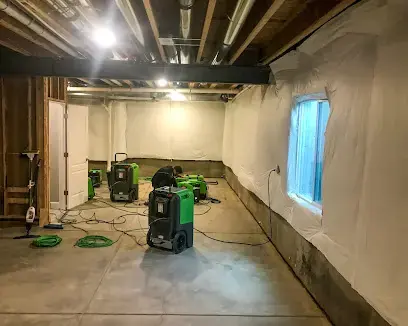
Water Damage Restoration Services in Denver, CO
Twelve water problems a Denver home or business can face, from a split supply pipe to a hail-torn roof. Each card leads to the first steps, the process and the typical cost.
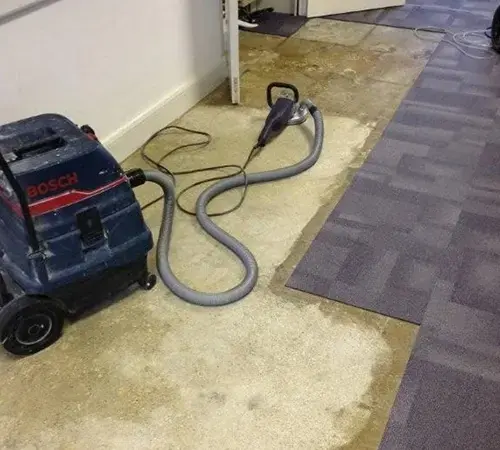
Water Extraction and Removal
Standing water pulled from carpet, pad and concrete before it soaks into walls and framing.
Service details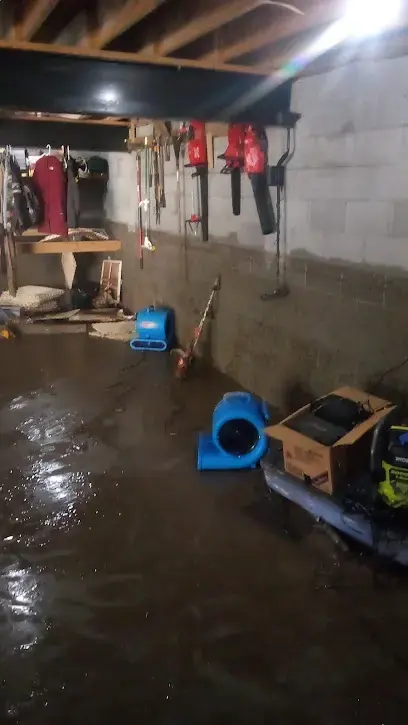
Basement Flooding Cleanup
Wet basements emptied, opened only where meters point, then dried slab to studs.
Service details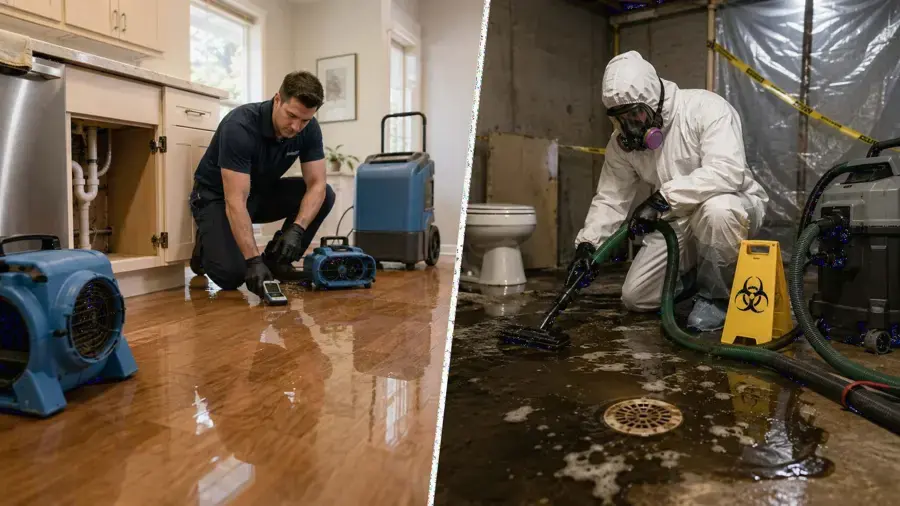
Sewer Backup Cleanup
Sewage from floor drains and toilets handled as Category 3 under containment.
Service details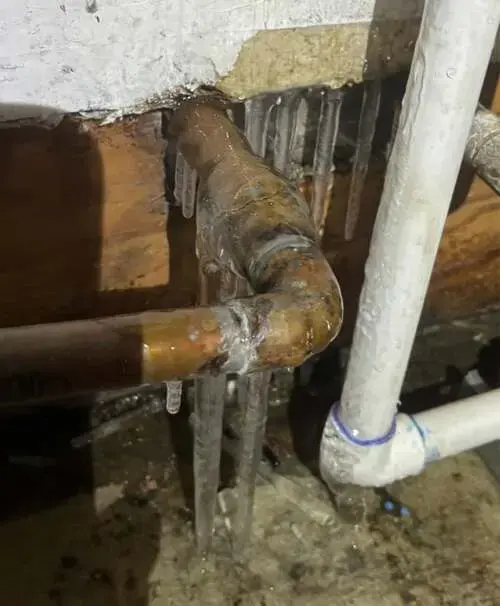
Frozen Pipe Water Damage
Pipes split by long arctic stretches traced inside walls and dried in place.
Service details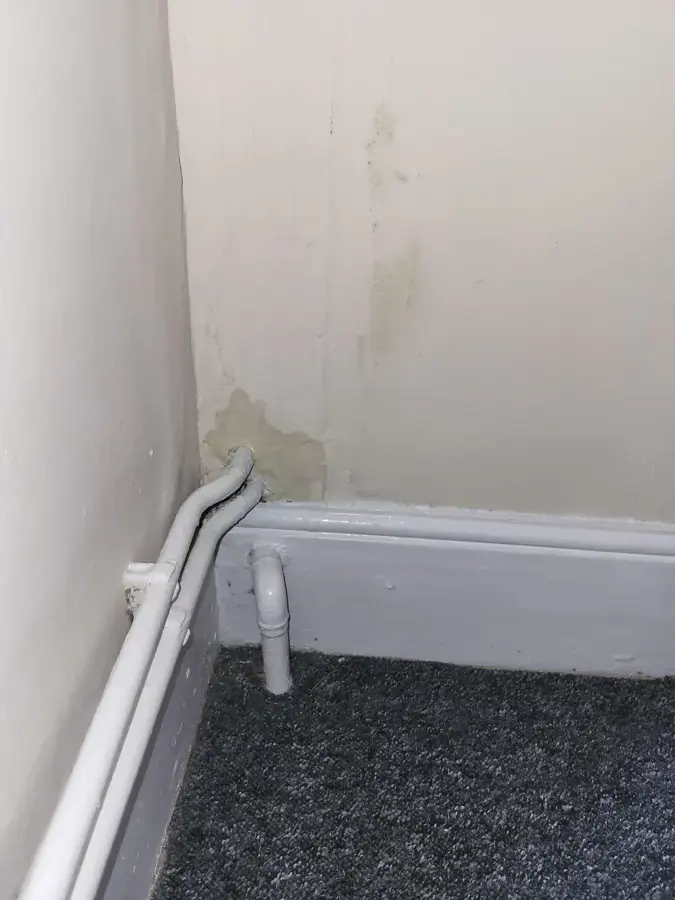
Burst Pipe Water Damage
Failed supply pipes and fittings found fast, extracted and dried to a measured goal.
Service details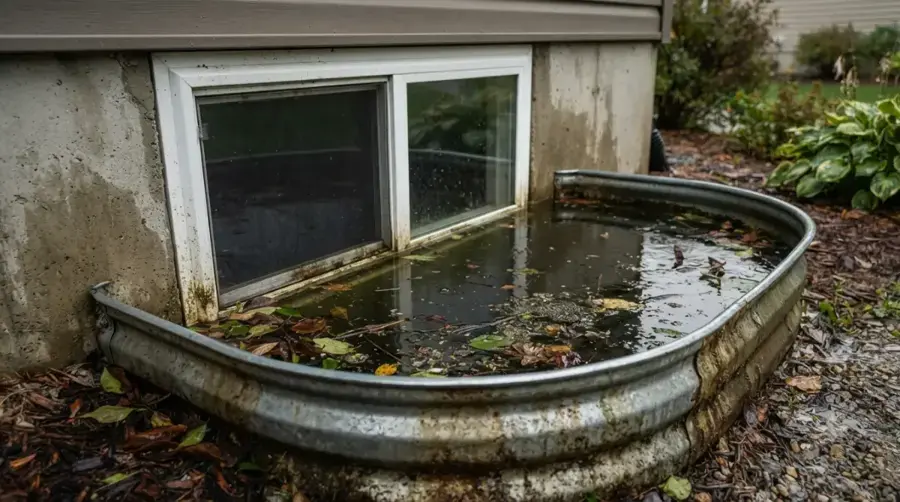
Window Well Flooding Cleanup
Rain and snowmelt that fill a window well and spill through a basement window.
Service details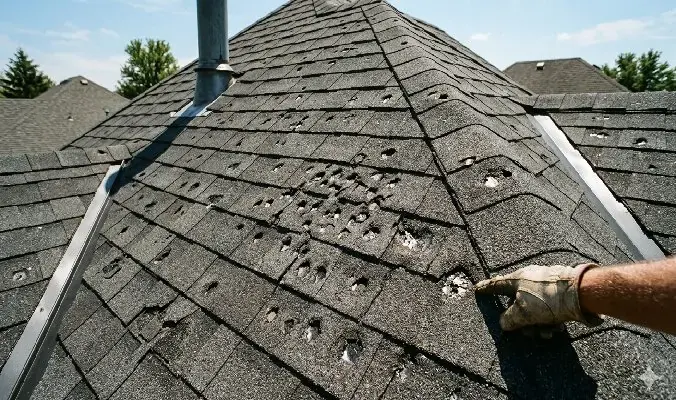
Hail and Roof Leak Water Damage
Hail-damaged roofs traced into wet attic insulation, ceilings and walls below.
Service details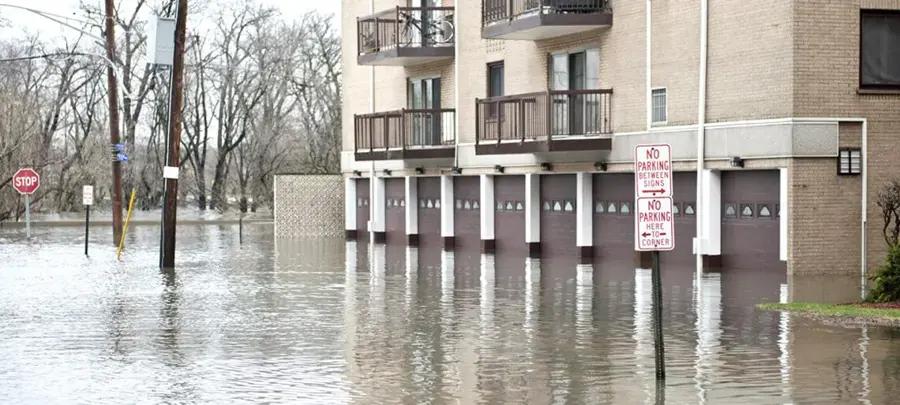
Storm and Flash Flood Cleanup
Storm runoff and creek water removed as contaminated water, then dried out.
Service details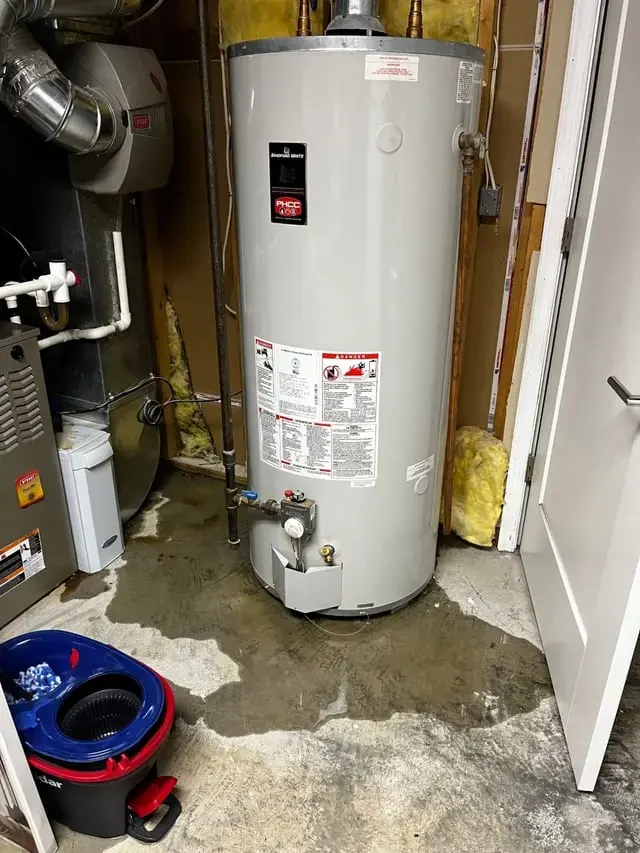
Water Heater Leak Cleanup
Tank, valve and fitting leaks extracted from basements, closets and garages.
Service details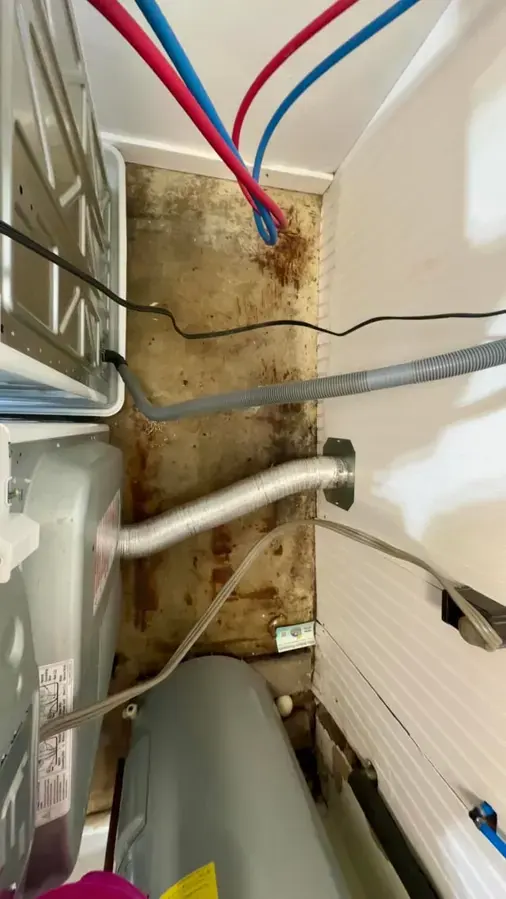
Appliance Leak Water Damage
Washer, dishwasher and ice maker leaks dried under cabinets and floors.
Service details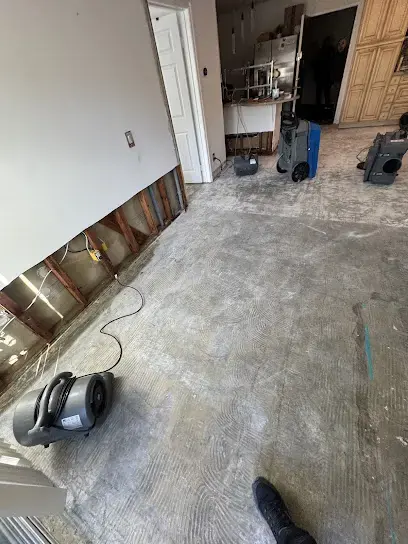
Structural Drying and Dehumidification
Framing, subfloor and concrete dried with dehumidifiers and daily readings.
Service details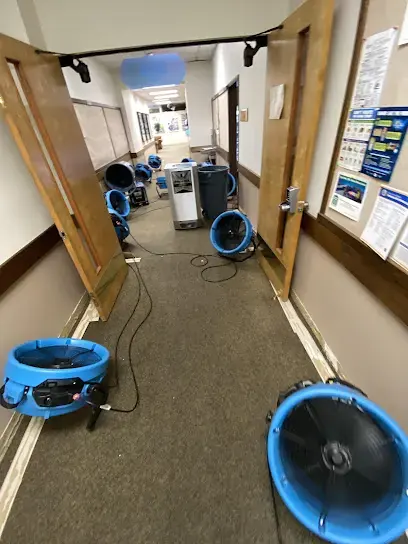
Commercial Water Damage
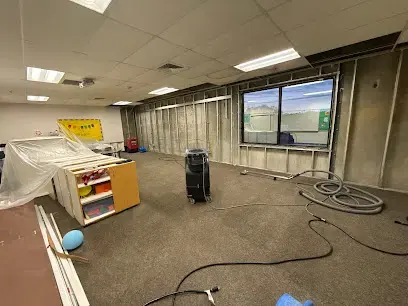
Offices, schools, shops and clinics dried in phases to keep doors open.
Service detailsAll water damage categories covered in Denver, CO
Category 1: clean water
Water from a broken supply pipe, a water heater or an ice maker hose starts clean. When drying begins quickly, most framing and drywall stay in place.
Burst pipe water damageCategory 2: gray water
Dishwasher and washing machine discharge carries detergent and soil, so pad and other porous materials it soaked are usually removed first.
Appliance leak water damageCategory 3: black water
Sewage and floodwater from outside are contaminated from the first minute. Porous materials they touched are removed under containment.
Sewer backup cleanupWhat to do while the water is still moving in Denver
- 1
Find the shut-off
In most single-family homes served by Denver Water, the main shut-off valve sits in the basement or crawl space on the wall facing the street. Close it first.
- 2
Keep power and people safe
Turn off breakers for wet rooms only from a dry spot, and keep everyone away from water near outlets or floor drains.
- 3
Take photos first
Shoot wide and close photos of each wet room, the source and damaged belongings before anything moves. They open the claim file.
- 4
Call for extraction
Standing water climbs into drywall and soaks deeper into pad and concrete by the hour. Early extraction keeps more of the house in place.
How a water loss is handled in Denver
Four commitments shape every Denver job, whether the water came from a frozen pipe in an arctic stretch or a summer hailstorm.
Rapid local response
The response team dispatches 24/7 across Denver and treats active water as urgent on nights, weekends and holidays.
IICRC S500 drying standard
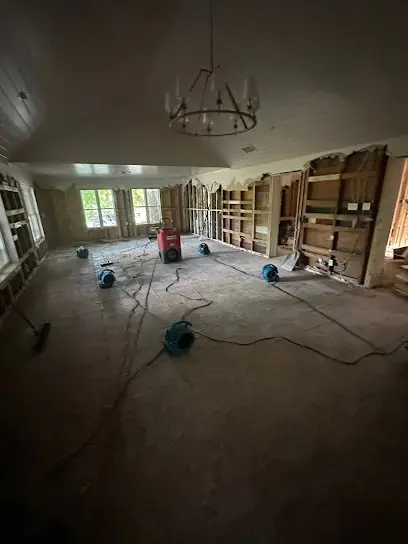
The drying team sizes dehumidifiers and air movers to the class of loss and dries the structure itself, not only the surfaces.
Claim-ready documentation
Moisture maps, daily drying logs and timestamped photos taken before demolition go into one file for the adjuster.
Local water know-how
Expansive clay soil, hail season and long arctic stretches shape how local water damage experts plan a Denver dry-out.
Water damage dried to the IICRC S500 standard in Denver
IICRC S500 is the drying standard the restoration trade works to. It defines water categories, how much equipment a room needs and the point at which wet materials count as dry, and Denver jobs follow it from start to finish.
- Moisture mapping
- Thermal imaging and pinless meters show where the water spread before any equipment is placed.
- Extraction
- Truck-mounted or portable units pull standing water out of carpet, pad and concrete.
- Dehumidification
- LGR dehumidifiers run on most losses, and desiccant units take on dense, cold materials.
- Air movement
- Air movers go where each room's evaporation load needs them, aimed along walls and floors.
- Verification
- Daily readings continue until wet materials sit within 2 to 4 points of a dry reference, even in Denver's generally dry air.
What does water damage restoration cost in Denver, CO?
Water damage restoration in Denver commonly runs $1,500 to $5,500 for a clean-water leak caught early, while a flooded finished basement or a Category 3 sewage loss often runs $5,000 to $16,000.
Clean-water leak caught early
- One or two rooms affected
- Extraction and a few days of drying
- Most materials dried in place
Finished basement flooding
- Pad, carpet and lower drywall out
- Flood cuts above the wet line
- Concrete and framing dried
Sewage loss, Category 3
- Containment and HEPA air scrubbers
- Porous materials removed
- Antimicrobial before drying
These are typical ranges, not a quote. Water category, wet square footage, material class and how soon drying began move the total most. The water damage cost calculator gives a closer range.
Documentation for your insurance claim
Adjusters decide on documentation, so the restoration team builds the claim file while the work happens in your Denver home.
- 01Room-by-room moisture readings plotted on a floor map
- 02A daily log of air temperature, humidity and material moisture
- 03Photos with time stamps, shot before anything is torn out
- 04The category of water and class of loss, noted on day one
- 05An itemized scope written in the estimating format adjusters use
Check your own policy first
Denver Water maintains the water mains, but the property owner owns and pays for the service line and meter pit, and Denver Water says it is not responsible for damage from a service line or internal plumbing.
Your own policy decides what applies, so confirm it with your insurer.
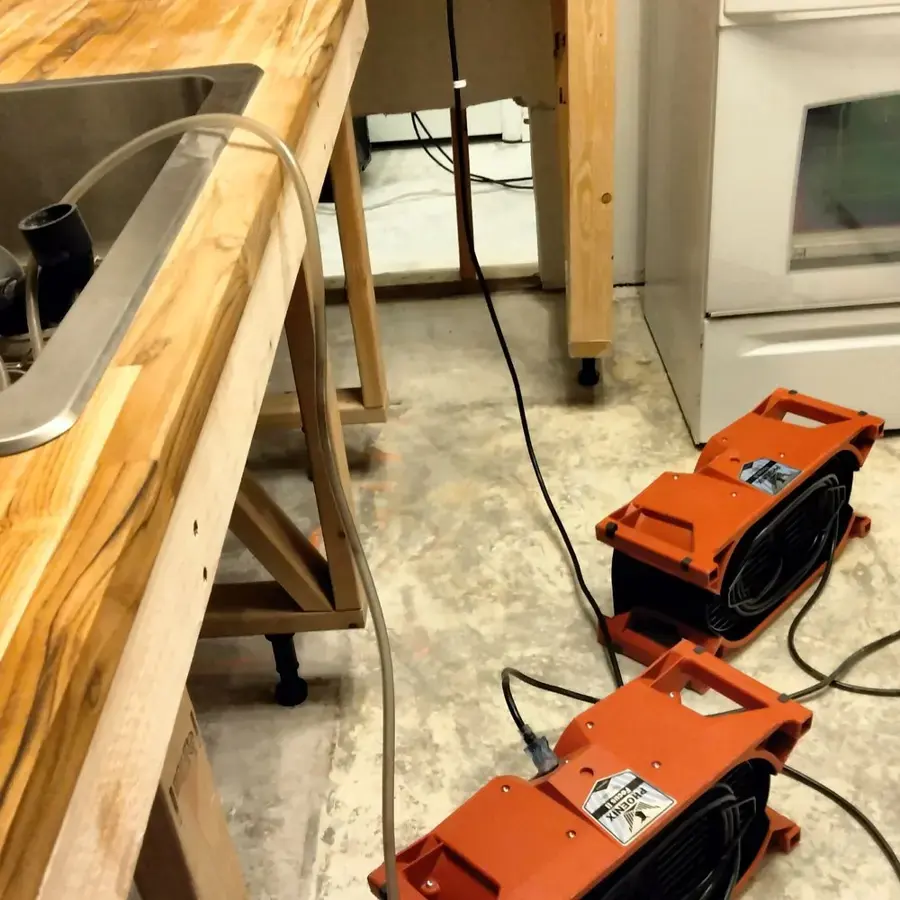
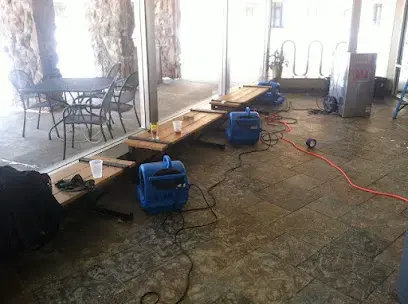
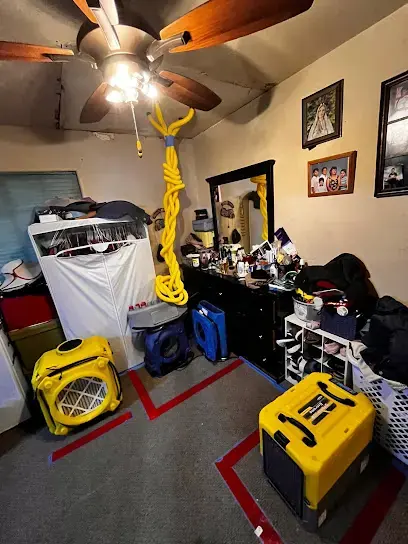
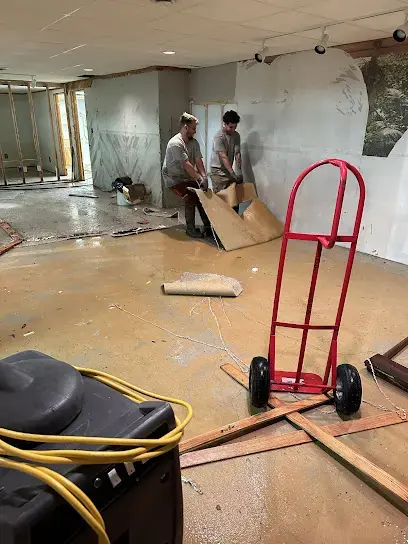
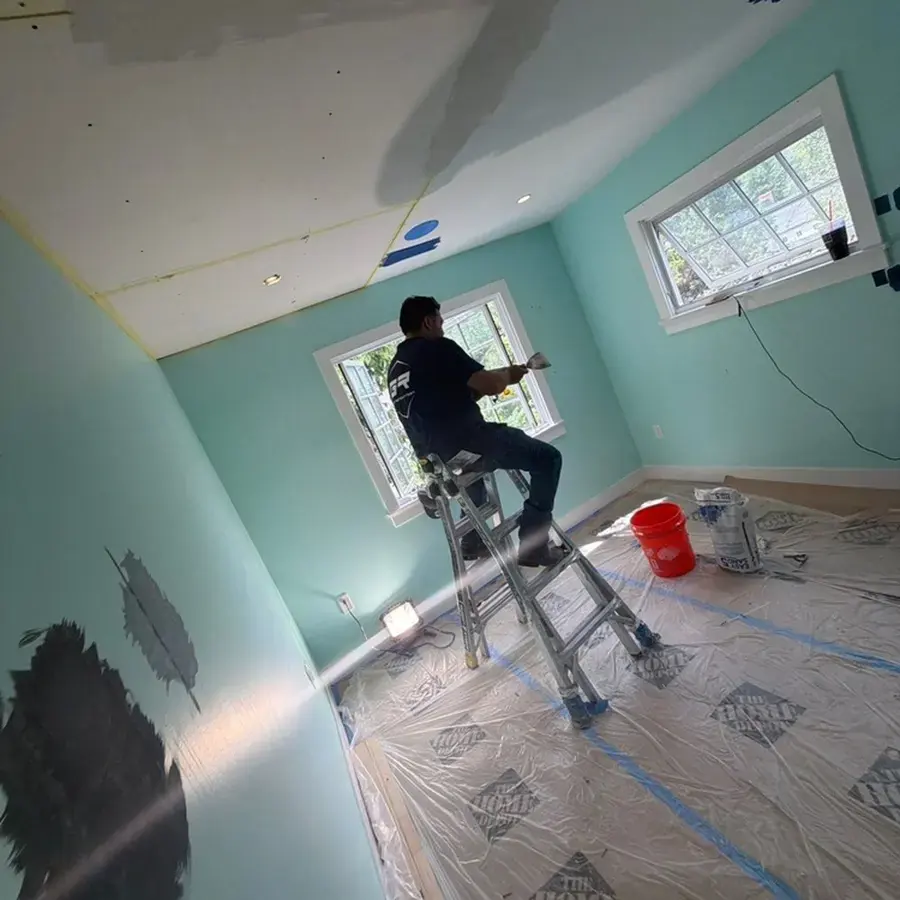
What a water damage dry-out looks like in Denver
Areas served across Denver
Denver neighborhoods and landmarks
ZIP codes
Nearby cities
Hail, river floods and frozen pipes: the Denver water year
Denver sits in the South Platte River valley on the western edge of the High Plains, just east of the Front Range. Its cool, semi-arid climate brings hail, arctic stretches and the occasional river flood.
Winter: long arctic stretches
In January 2025 an arctic blast was forecast with 80 to 100 plus hours below freezing, and Denver Water warned of burst pipes in homes.
Summer: hail
A study ranked Denver 10th most hail-prone among US areas of at least 50,000 people, and three of the ten costliest US hailstorms hit Denver.
Rivers and creeks
Denver was founded in 1858 where Cherry Creek meets the South Platte River, and both have flooded the city more than once.
Soil under the slab
Expansive clay swells when wet and shrinks when dry across Colorado, and the Colorado Geological Survey lists cracked basement floors as a common sign.

June 16, 1965: The South Platte River flood became one of the worst disasters in Denver history, and Chatfield and Bear Creek Reservoirs and the Mile High Flood District, founded in 1969, followed in its wake.
Water damage restoration questions in Denver, CO
Water spreading in a Denver home?
Close the main shut-off if it is safe, keep clear of floor-drain water and call. The response team works around the clock.
(888) 532-8620Get Denver extraction started nowHow fast does someone respond to water damage in Denver?
Dispatch runs 24/7 and active water is treated as urgent at any hour. Response time depends on the day's call volume and where in Denver the loss is, so call as soon as you see water.
Where is the main water shut-off in a Denver house?
In most single-family homes served by Denver Water, the main shut-off valve is in the basement or crawl space on the wall facing the street.
Who pays when the service line leaks?
Denver Water maintains the mains, but the property owner owns the service line and meter pit. Denver Water says it is not responsible for damage from a service line or internal plumbing.
How long does a Denver basement take to dry?
A clean-water loss caught early often dries in three to five days. A finished basement on a slab can take five to seven, and sewage adds removal time first.
What is the IICRC S500 standard?
It is the restoration trade's drying standard. It sets the water categories and classes, how equipment is sized and when materials count as dry, within 2 to 4 points of a dry reference.
Why do pipes burst in Denver winters?
Long arctic stretches freeze water in pipes on exterior walls and in unheated basements. Denver Water says the same forces that break its mains can burst pipes inside a home.
Does hail cause water damage inside?
Yes. Hail can crack shingles and tear flashing, and the next heavy rain runs into the attic, wet insulation and the ceilings below.
Does drywall always come out?
No. Drywall wet with clean water and dried quickly can often stay. Drywall soaked by sewage or floodwater, or wet for days, is cut out above the wet line.
Why is a sewage backup handled differently?
Sewage is Category 3 from the start. Crews wear protective gear, contain the area, remove porous materials it touched and apply an EPA-registered antimicrobial before drying.
How is the cost of water damage restoration figured?
Water category, wet square footage, material class and how soon drying started drive most of the total. The cost calculator shows typical ranges.
How soon can mold start after water damage?
Mold can start growing within 24 to 48 hours on wet drywall paper and wood, so extraction and drying begin right away.
Water in a Denver basement? Dispatch is up 24/7.
Extraction, structural drying and a claim-ready file anywhere in Denver, from LoDo to Central Park.
(888) 532-8620Start the Denver dry-out