Appliance Leak Water Damage in Denver, CO
24/7 appliance leak water damage help in Denver. The restoration team finds where a washer, dishwasher or ice maker leaked, then dries cabinets, subfloors and walls before the damage spreads.
(888) 532-8620Appliance leaking? Call now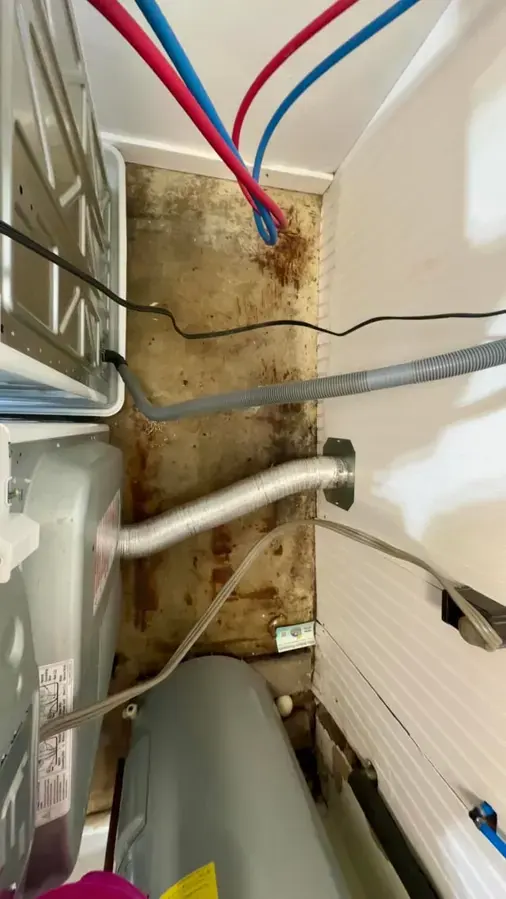
First steps for appliance leak water damage in Denver
- 01
Close the supply valve
Turn off the valve behind the appliance, or the main if the valve is stuck.
- 02
Unplug it safely
Pull the plug only if cord and floor are dry. Otherwise flip the breaker from a dry spot.
- 03
Pull the machine out
Open up the floor and wall behind it so both can be seen and photographed.
- 04
Call before it wicks
Water under cabinets keeps spreading, so early drying protects more kitchen.
How appliance leak water damage is handled in Denver
Appliances leak in quiet ways. A split hose behind a washer, a cracked dishwasher drain or a loose ice maker fitting can wet a subfloor for weeks before a stain shows. The water hides under cabinets and behind panels, where air does not reach.
What does appliance leak water damage cost in Denver, CO?
Appliance leak water damage in Denver commonly runs $1,000 to $4,000 for one kitchen or laundry area and $4,000 to $10,000 when water reaches the floor or basement below.
One room
- Kitchen or laundry area wet
- Cabinet toe-kicks dried
- Flooring dried where possible
Two levels
- Basement ceiling below wet
- Insulation and drywall out
- Subfloor dried
Swamp cooler attic leak
- Water in an attic or ceiling
- Wet insulation removed
- Drywall dried or cut
Ranges are typical, not a quote: the water category, square footage, material class and how fast drying started move the number most. Run the water damage cost calculator for a closer range.
The appliance leak water damage process, start to dry
The tech who does the walkthrough maps moisture before any equipment goes down, so the drying plan matches what is actually wet.
- 1
Find the leak
Meters and imaging trace the water from the appliance outward.
- 2
Extract the water
Portable units clear floors, cabinet bases and nearby carpet.
- 3
Open and dry
Toe-kicks come off and a drying system pushes air under cabinets.
- 4
Verify the dry goal
Daily readings show subfloors and walls reaching the dry reference.
Start at the shut-off
Each appliance has its own valve, but the main shut-off is the backup. Look in the basement or crawl space on the wall that faces the street. Closing that main valve is the first step when an appliance supply fails.
Denver Water states it is not responsible for damage from a property's internal plumbing, so the owner handles the repair and the claim.
- Washing machine supply hoses
- Dishwasher drain and supply fittings
- Refrigerator ice maker connections
Where the water goes
Kitchen leaks run under cabinet toe-kicks and into the subfloor. Laundry leaks run into walls and down to the basement ceiling below. Meters and thermal imaging show where the water traveled, including into the cabinet base and the wall behind the machine.
A hose that failed under pressure may fall under burst pipe water damage. A leak that soaked the floor below can also need water extraction.
Gray water and drying
Dishwasher and washer discharge carries detergent and soil, so it counts as Category 2. Porous materials it soaked are usually removed. Cabinet drying systems push warm, dry air under toe-kicks so cabinets do not have to be torn out, and the crew checks the subfloor beneath for lingering damp.
Trade fact: Denver's generally low humidity helps hardwood and subfloors dry once the water is extracted and the area is opened to moving air.
Appliance leak water damage across Denver and nearby areas
The Denver crew dries appliance leaks from Uptown, Golden Triangle and Speer to Park Hill, Virginia Village and Central Park, in kitchens, laundry rooms and finished basements.
The same service nearby: appliance leak water damage in Commerce City, Glendale, Federal Heights.
Water damage restoration in Denver · every neighborhood covered
Related water damage services in Denver
Appliance Leak Water Damage questions in Denver, CO
Still dealing with it?
Close the valve and call. Denver dispatch runs 24/7.
(888) 532-8620Start Denver appliance-leak dryingWhich appliances leak most often?
Washing machines, dishwashers, refrigerator ice makers and water heaters are the usual sources, and supply hoses fail most often.
Is appliance leak water dirty?
Supply water starts clean. Dishwasher and washer discharge is gray water, so soaked pad and other porous materials are usually removed.
Where do I shut off water in a Denver home?
In most single-family homes served by Denver Water, the main valve is in the basement or crawl space on a wall facing the street.
Can cabinets be saved?
Often. A drying system under the toe-kick pulls moisture out, and only swollen particleboard is removed.
Who pays when an appliance leaks?
Denver Water states it is not responsible for damage from a property's internal plumbing. Your own policy decides what applies.
How long does drying take after a leak?
Most kitchen and laundry leaks dry in three to five days, and slow leaks that soaked the subfloor take longer.
Appliance leaking in a Denver home?
Drying under cabinets and floors with readings logged daily, any hour.
(888) 532-8620Call about the Denver appliance leak