Water Extraction and Removal in Denver, CO
24/7 water extraction in Denver. The restoration team pulls standing water from carpet, pad and concrete first, then measures what soaked in so drying starts from readings instead of guesses.
(888) 532-8620Standing water in Denver? Call now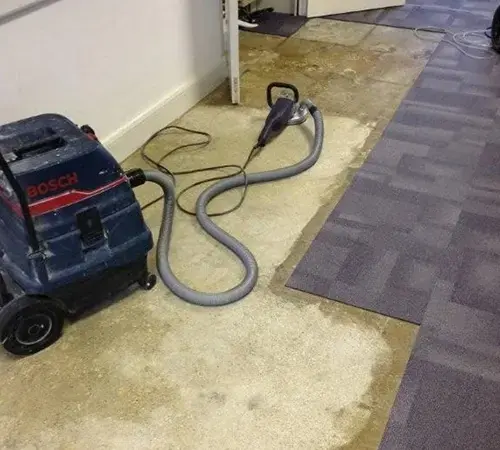
First steps for water extraction and removal in Denver
- 01
Stop the source
Close the main shut-off if the water is still running, usually in the basement or crawl space on the street-facing wall.
- 02
Stay out of deep water
Standing water near outlets, cords or floor drains stays off limits until the power is dealt with.
- 03
Lift what you can
Move small furniture, rugs and boxes to dry ground so the extractor reaches the whole floor.
- 04
Call for extraction
Water pooled on carpet is easiest to remove early, before it settles into the pad and slab.
How water extraction and removal is handled in Denver
Denver was founded in 1858 where Cherry Creek meets the South Platte River, so water collecting where it should not is an old local story. Extraction is the first job on a wet property, because every hour that water sits, it moves from the surface into pad, drywall and concrete.
What does water extraction and removal cost in Denver, CO?
Water extraction in Denver commonly runs $500 to $1,500 for a single room and $1,500 to $4,500 for a flooded basement, with drying equipment billed by the day on top.
Single wet room
- One room of carpet or flooring
- Portable extractor and wand
- Readings taken after pickup
Flooded basement
- Pump-down, then extractor passes
- Pad lifted where soaked
- Slab checked for depth
Category 3 water
- Contaminated source handled with care
- Porous materials removed
- Antimicrobial applied
Ranges are typical, not a quote: the water category, square footage, material class and how fast drying started move the number most. Run the water damage cost calculator for a closer range.
The water extraction and removal process, start to dry
The tech who does the walkthrough maps moisture before any equipment goes down, so the drying plan matches what is actually wet.
- 1
Meter the spread
Moisture meters show how far the water traveled beyond the visible edge.
- 2
Pump the depth
A submersible pump clears deep water before extractor passes start.
- 3
Extract the layers
Wands and truck-mounted units take water out of flooring, pad and concrete.
- 4
Hand off to drying
Remaining moisture is mapped so dehumidifiers and air movers are sized correctly.
Why removal comes before drying
Dehumidifiers and air movers work on moisture that has already soaked in. They do little about a pooled inch across the floor. The crew pulls bulk water first, then meters show what is left inside the materials.
Carpet and pad hold far more than they show. A weighted wand presses water out of both layers, and the concrete beneath is worked until the pooling is gone. Hardwood and tile get a lighter touch, with water lifted from seams before it works under the surface.
- Carpet and pad in wet rooms
- Hard floors and concrete slabs
- Low basement corners and crawl spaces
The source sets the category
A split supply pipe starts as clean water. Storm runoff or sewage is contaminated from the first moment, and that changes which porous materials can stay. The technician names the category on day one, before any unit runs, and notes it in the file for the adjuster.
After the surface is clear, the job moves into structural drying. A flooded lower level is also covered under basement flooding cleanup.
Dry air still needs equipment
Denver's cool, semi-arid climate keeps humidity generally low, yet a basement slab stays cold and damp. Extraction leaves the concrete wet at depth, so dehumidifiers carry on from there, and readings, not the look of the floor, show when the water is really out.
Trade fact: The South Platte River flood of June 16, 1965 was one of the worst disasters in Denver history, and the Mile High Flood District was founded in 1969 in response.
Water extraction and removal across Denver and nearby areas
The Denver team extracts standing water from Confluence Park and LoDo to Globeville, Sun Valley, Park Hill and Central Park, day or night, wherever a basement or ground floor floods.
The same service nearby: water extraction and removal in Commerce City, Glendale, Federal Heights.
Water damage restoration in Denver · every neighborhood covered
Related water damage services in Denver
Water Extraction and Removal questions in Denver, CO
Still dealing with it?
Stop the source if you can and call. Denver dispatch runs 24/7.
(888) 532-8620Start Denver water removalHow quickly should water be extracted in Denver?
As soon as it is safe. Water sitting on carpet soaks into the pad within hours, and early extraction keeps more flooring and drywall in place.
Is extraction the same as drying?
No. Extraction removes liquid water, while drying removes moisture held inside materials. Both are needed, and extraction always comes first.
Can wet carpet be saved after extraction?
Often, when the water was clean and the pad is lifted or dried right away. Carpet soaked by sewage or floodwater is usually removed.
Does low humidity in Denver speed things up?
Somewhat for upper rooms. Concrete slabs and basements stay cool and damp, so equipment and daily readings still decide when the job is done.
What water category is a creek or storm flood?
Water from outside is treated as Category 3, so porous materials it touched are normally removed and the area is cleaned before drying.
Will extraction be documented for insurance?
Yes. Photos and moisture readings are taken before and after pickup, and they go into the claim file.
Standing water in a Denver home?
Extraction first, drying second, from carpet to concrete, around the clock.
(888) 532-8620Call about Denver extraction