Water Extraction and Removal in Glendale, CO
24/7 water extraction help in Glendale. The extraction crew pulls standing water from floors and carpet, checks the units below and beside the source, and hands the space to the drying team.
(888) 532-8620Standing water in Glendale? Call now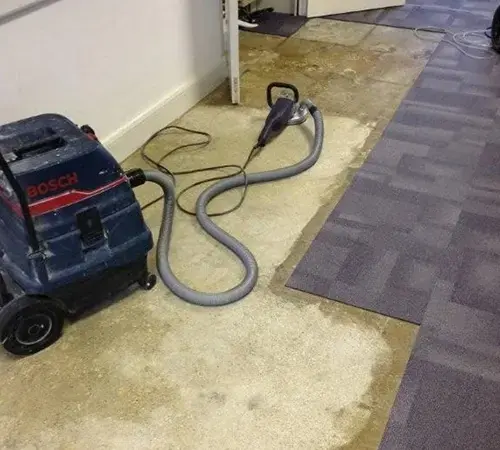
First steps for water extraction and removal in Glendale
- 01
Stop the source
Close the shut-off valve for the fixture or unit if it can be reached, and tell the building manager.
- 02
Keep clear of power
Stay out of rooms where water meets outlets or cords, and flip breakers only from a dry spot.
- 03
Lift what you can
Move rugs, small furniture and electronics to dry ground so the pad and floor can be reached.
- 04
Photograph, then call
Take photos of the wet floor and the source, then call for extraction before the water soaks deeper.
How water extraction and removal is handled in Glendale
Almost all housing in Glendale is multi-family, so water that starts in one unit rarely stays there. It runs through floors, along walls and down to the units below and beside it. Extraction removes the water that has not soaked in yet, which is the fastest way to limit how far it travels.
What does water extraction and removal cost in Glendale, CO?
Expect $500 to $1,500 for one wet room in Glendale and $1,500 to $4,500 when a bigger area or a lower level floods, though drying is priced separately and sewage costs more.
Single room
- One wet room
- Carpet and pad cleared
- Quick moisture check
Larger flooded area
- Several rooms or a lower level
- Submersible pump used
- Subfloor readings taken
Category 3 water
- Contaminated water removed
- Protective gear and containment
- Affected materials cut out
Ranges are typical, not a quote: the water category, square footage, material class and how fast drying started move the number most. Run the water damage cost calculator for a closer range.
The water extraction and removal process, start to dry
The tech who does the walkthrough maps moisture before any equipment goes down, so the drying plan matches what is actually wet.
- 1
Assess the water
The crew sets the water category, finds the source and maps where the water traveled.
- 2
Pump and extract
Submersible pumps take deep water, and extractors pull the rest from carpet, pad and hard floors.
- 3
Check what stayed wet
Meters test the pad, subfloor and walls, and anything that cannot dry is removed.
- 4
Pass it to drying
Drying equipment takes over from there, and every reading is saved for the claim.
What extraction removes first
The crew starts with the standing water on hard floors and in low spots, then works over carpet and pad with a weighted tool that presses water out of the fibers. A submersible pump handles deeper water. Moisture meters then check the pad, the subfloor and any slab to see what is still wet.
Clean supply water is extracted differently from gray water or sewage, so the category is set before the first pass.
- Carpet and pad lifted when the pad is soaked
- Hard floors and tile cleared in one pass
- Wet edges and baseboards checked
- Wet furniture legs and contents moved clear
Water that came from somewhere else
A ceiling leak often comes from the unit above, and a dishwasher or washer leak can reach the neighbor next door. In a multi-unit building the manager needs to hear about it quickly, and the claim file should note where the water began and which rooms it reached. Photos taken before anything is lifted show the adjuster the starting point.
After the water is out
Extraction is step one, not the finish. Pulled water leaves damp pad, wet framing and humid air behind. Dehumidifiers and air movers go in next, and the readings decide when each room is dry. See structural drying for that stage.
- Dehumidifiers matched to the class of loss
- Air movers aimed along walls and floors
- Daily readings until the dry goal
Trade fact: Every hour water sits on carpet pad, it moves deeper into the subfloor, which is why pulling it early saves more material.
Water extraction and removal across Glendale and nearby areas
The Glendale extraction crew covers the whole city, from Infinity Park and Creekside Park to the blocks around Cherry Street, Birch Street and East Kentucky Avenue, at any hour.
The same service nearby: water extraction and removal in Commerce City, Denver, Federal Heights.
Water damage restoration in Glendale · every neighborhood covered
Related water damage services in Glendale
Water Extraction and Removal questions in Glendale, CO
Still dealing with it?
Stop the source if you can, keep clear of wet outlets and call. Glendale dispatch never closes.
(888) 532-8620Begin Glendale pump-outHow fast should water be extracted in Glendale?
As soon as possible, because every hour lets water sink further into pad, drywall and subfloor. Dispatch never closes.
Can water from my unit reach my neighbors?
Yes. Almost all Glendale housing is multi-family, so water can drop through floors and move along walls into nearby units.
Does extraction dry the room?
No. It removes liquid water. Damp pad, framing and air still need dehumidifiers and air movers to reach the dry goal.
Will the carpet survive?
Frequently, if the water was clean and the pad was extracted fast. Carpet that sat in gray water or sewage generally goes.
Who should I tell besides my insurer?
In a rented or multi-unit home, tell the landlord or building manager right away, since they may need to stop the source and check other units.
What does the crew record during extraction?
Photos before anything moves, the water category and moisture readings of the pad, subfloor and walls. Those notes go into the claim file.
Standing water in a Glendale home?
Pumps, extractors and drying equipment work night and day, from the first pass to the last reading.
(888) 532-8620Call about Glendale extraction