Storm and Flash Flood Cleanup in Denver, CO
24/7 storm and flash flood cleanup in Denver. Floodwater is removed as contaminated water, silt and debris come out, and the structure is cleaned and dried to a measured goal.
(888) 532-8620Flood in Denver? Call now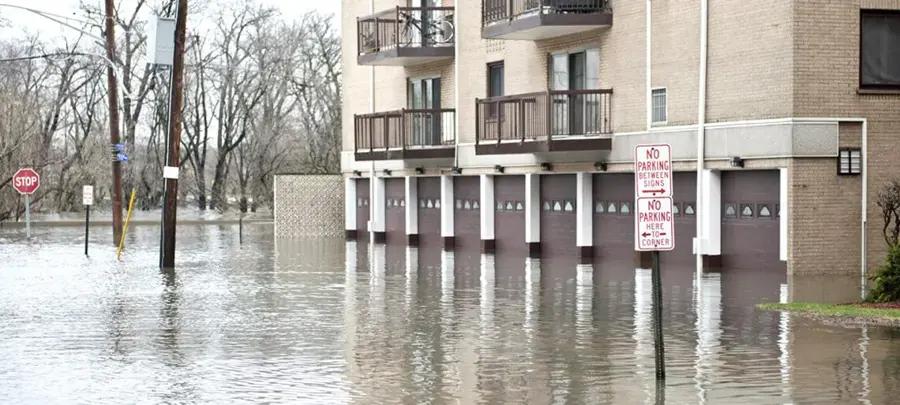
First steps for storm and flash flood cleanup in Denver
- 01
Stay out of deep water
Floodwater hides debris and live power, so avoid wading until the electricity is dealt with.
- 02
Do not run drains
Skip toilets and sinks while water is high, since the sewer may be taking in runoff.
- 03
Photograph the line
Wide shots of the water line on walls and belongings support the claim.
- 04
Call for removal
Silt and contaminated water dry onto surfaces, so early cleanup makes the job simpler.
How storm and flash flood cleanup is handled in Denver
Denver has a long record of floods. The Cherry Creek flood of 1864 and the 1933 Castlewood Canyon Dam failure both sent walls of water down the creek, and the South Platte River flood of June 16, 1965 remains one of the worst disasters in the city's history.
What does storm and flash flood cleanup cost in Denver, CO?
Storm and flash flood cleanup in Denver commonly runs $3,000 to $8,000 for a garage or one basement area and $8,000 to $20,000 when floodwater spreads through a finished basement.
Garage or one area
- One garage or basement area
- Pump-out and silt removal
- Surfaces cleaned and dried
Finished basement
- Carpet, pad and drywall removed
- Containment and scrubbers
- Framing and slab dried
Deep or long-standing water
- Water sat for days
- Heavy removal
- Extended drying cycle
Ranges are typical, not a quote: the water category, square footage, material class and how fast drying started move the number most. Run the water damage cost calculator for a closer range.
The storm and flash flood cleanup process, start to dry
The tech who does the walkthrough maps moisture before any equipment goes down, so the drying plan matches what is actually wet.
- 1
Pump the depth
Submersible pumps clear deep water before extraction starts.
- 2
Remove silt and debris
Mud, soaked materials and debris are cleared from the structure.
- 3
Clean and treat
Surfaces get an EPA-registered antimicrobial before any drying begins.
- 4
Dry and verify
Dehumidifiers run and daily readings track each room to dry.
Why floodwater is handled differently
Floodwater carries soil, sewage and runoff from every surface it crossed. It is Category 3 water, so it is treated as contaminated from the first minute.
The crew pumps the depth, hauls out silt and debris, and removes porous materials such as carpet, pad and low drywall. Hard surfaces are cleaned and treated before anything is dried.
- Silt left behind on floors
- Carpet, pad and insulation soaked through
- Stored belongings that touched the water
What changed after 1965
The 1965 flood led to Chatfield Reservoir, Bear Creek Reservoir and the Mile High Flood District, which was founded in 1969. The Platte to Park Hill plan now aims to reduce flood risk east and north of downtown. A Globeville flood-control channel carries stormwater from neighborhoods to the South Platte River.
A flooded lower level continues under basement flooding cleanup, and runoff through a basement window under window well flooding.
Drying after cleaning
Once surfaces are clean, dehumidifiers and air movers run until readings show the structure is dry. Concrete takes the longest, and daily logs show when each room is finished.
Trade fact: The 1973 South Platte River flood was a steady overflow that raised the river four feet above normal.
Storm and flash flood cleanup across Denver and nearby areas
The Denver crew handles flood losses from Confluence Park, Globeville and Sun Valley to Cherry Hill Heights, Virginia Village and Park Hill, along with creek and river corridors across the city.
The same service nearby: storm and flash flood cleanup in Commerce City, Glendale, Federal Heights.
Water damage restoration in Denver · every neighborhood covered
Related water damage services in Denver
Storm and Flash Flood Cleanup questions in Denver, CO
Still dealing with it?
Stay out of deep water and call. Denver dispatch runs 24/7.
(888) 532-8620Start Denver flood cleanupWhat kind of water is floodwater?
Floodwater is Category 3. It carries soil, sewage and runoff, so porous materials it touched are normally removed.
What are the major named floods in Denver?
The Cherry Creek floods of 1864 and 1933 and the South Platte River floods of 1965 and 1973 are named Denver flood events.
Why was the Mile High Flood District created?
It was founded in 1969 in response to the 1965 flood, after which Chatfield and Bear Creek Reservoirs were also built.
Can flooded drywall be dried?
Drywall that sat in floodwater is cut out above the wet line. Drywall wet with only clean water can sometimes stay.
How long does flood drying take?
After cleanup, a typical flooded room reaches the dry goal in about five to seven days, and daily readings confirm it.
Is flood damage covered by insurance?
Flood coverage is often separate from a standard policy. Ask your insurer what applies before the scope is written.
Floodwater in a Denver building?
Pump-out, silt removal and drying as Category 3 water, any hour.
(888) 532-8620Call about the Denver flood