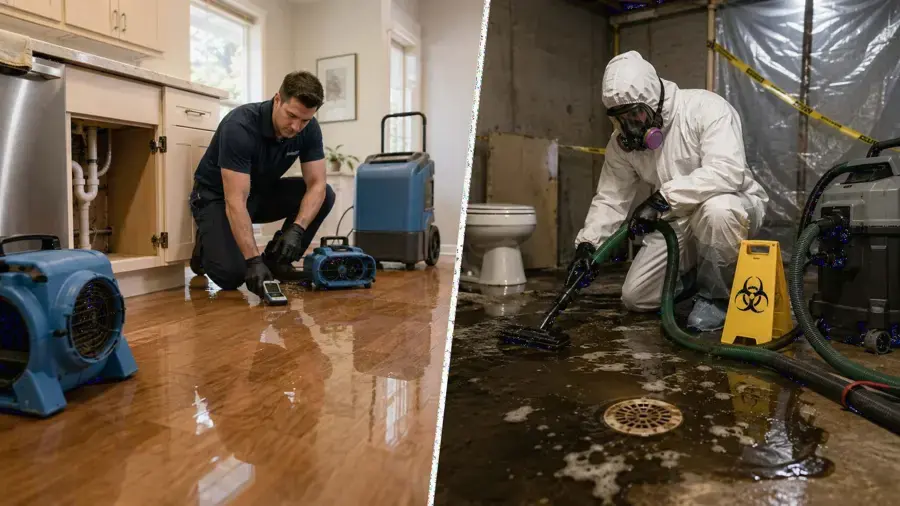
A drain that gurgles and then pushes dark water onto the floor is not a normal plumbing problem. In Denver, sewage that backs up into a home is contaminated water, and how it is handled in the first stretch decides how much of the home has to be removed.
Key takeaways
- Backed up sewage is contaminated water and calls for protective gear and containment.
- Sanitary sewage service for Denver Water customers inside Denver is provided by the Wastewater Management Division of the Department of Transportation and Infrastructure.
- Denver Water states that it is not responsible for water damage caused by a property's service pipe or internal plumbing.
- Porous materials that touched sewage, such as carpet, pad and drywall, are usually removed.
- Stay out of the water, shut off fixtures and call a crew before cleaning anything.
Who runs sewer service in Denver
Sanitary sewage service for Denver Water customers inside Denver is provided by the Wastewater Management Division of the Department of Transportation and Infrastructure. Denver is also a member of Metro Water Recovery, which provides secondary treatment of Denver sewage.
Knowing this helps in practice. A backup can start in the public system or inside the property's own plumbing, and the cause decides who has to act.
- The Wastewater Management Division handles the public sanitary sewer service.
- Metro Water Recovery treats the sewage after it leaves the city system.
- Denver Water supplies the water and states it is not responsible for damage from a property's service pipe or internal plumbing.
Why sewage is not like other water
Water from a clean supply leak starts out safe to touch. Sewage does not.
Backed up sewage carries bacteria and other contaminants, so it is treated as contaminated water from the moment it appears.
What it can reach
The water moves through floor drains, toilets, tubs and sinks at the lowest fixtures. It spreads across the floor and soaks into whatever is porous.
What it can carry
Contamination from the sewer can remain in carpet, pad and the lower part of drywall even after the water is gone. That is why cleaning is not enough and removal is usually needed.
What to do first
Think about safety before property. The aim is to limit exposure and keep the problem from spreading.
- Keep children, pets and anyone with a health condition out of the area.
- Do not wade through the water barefoot, and do not touch it without waterproof gloves and boots.
- Stop using sinks, tubs, toilets and the washer so no more water enters the drain.
- Turn off power to the affected area only if it can be reached safely.
- Do not mix household chemicals in an attempt to clean it up.
Telling a backup from a slow drain
A slow drain is a nuisance. A backup is an emergency, and the difference shows in what comes up from the drain.
Dark or foul smelling water, water coming up at several fixtures or water that returns after it is cleared all point to a deeper blockage in the pipes.
- A toilet that gurgles when another fixture drains.
- Water rising in a tub or floor drain when the washer runs.
- A smell of sewage near drains in the lowest part of the home.
- Several fixtures slowing down at the same time instead of just one.
Calling the right people
A homeowner who hires a plumbing contractor leaves the permit to that contractor, which is how Colorado handles plumbing permits. A plumber finds and clears the blockage.
A restoration crew deals with the water. The two jobs are separate, and each one matters.
- A plumber finds the cause and clears or repairs the drain.
- A restoration crew removes the contaminated water and affected materials.
- The Wastewater Management Division can be asked about the public sewer if the cause points there.
Keeping records of the loss
Notes and photos taken before cleanup help with repairs, with questions about the cause and with any later claim. They take only a moment.
Most single family homes served by Denver Water have the main shut off valve on a street facing wall in the lower level, so it is worth knowing where yours is before any emergency.
- Photograph every wet room, the drain that backed up and the level the water reached.
- Write down when the backup began and which fixtures were in use.
- Keep damaged items until they have been photographed, unless they are unsafe to store.
- Save receipts from the plumber and the restoration crew.
How sewage cleanup works
The work is built around containment. Crews put on protective gear, close off the area and keep the contamination from reaching clean rooms.
See the Denver sewer backup cleanup page for the full process, which starts with removing standing water and ends with a cleaned, dried space.
Removal of porous materials
Carpet, pad, baseboards and the lower section of drywall that sat in sewage are removed and disposed of. These materials absorb contamination and cannot be made safe by cleaning.
Cleaning and treatment
Hard surfaces such as concrete, tile and framing are cleaned and treated with antimicrobial products. Air filtration may run during the work to reduce airborne particles.
Drying after the removal
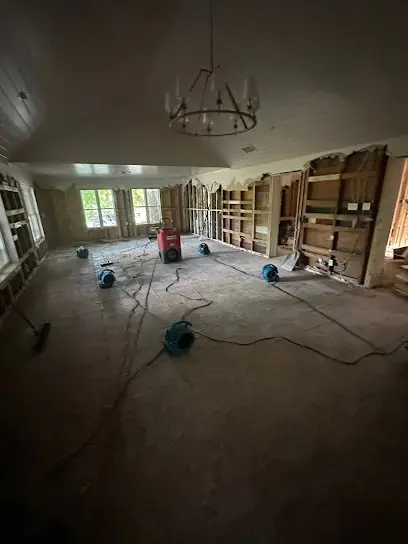
After cleanup, the structure is still wet. Framing and floors need structural drying with air movers and dehumidifiers until readings reach a dry reference.
Only then is the area ready for new flooring and drywall.
Preventing the next backup
A few habits lower the risk of another backup. The Denver page lists the services available to Denver properties, and the Commerce City office covers the same work on its sewer backup cleanup page.
- Keep grease, wipes and paper towels out of the drain, even items labeled flushable.
- Pay attention to slow drains or gurgling sounds, which often come before a backup.
- Have a plumber camera the drain if backups repeat.
- Keep floor drains clear and know where the main shut off valve is.
Questions
Is sewage backup water dangerous to touch?
Yes. It is contaminated water and should be handled only with protective gear. Keep children and pets away until it has been removed.
Does Denver Water pay for damage from a backup?
Denver Water states it is not responsible for water damage caused by a property's service pipe or internal plumbing, so owners should confirm the cause before assuming anyone else is.
Can carpet that touched sewage be cleaned and kept?
Usually not. Porous materials that sat in contaminated water are removed because cleaning cannot make them safe.
Who clears the blockage that caused the backup?
A plumber does. A restoration crew deals with the water, the removal and the drying.
How soon should I call after a backup?
Right away. Contaminated water keeps soaking into porous materials, and early containment keeps the loss smaller.
Can a sewage backup be prevented?
Not always, but habits help. Keeping grease and wipes out of the drain, watching for slow or gurgling fixtures and clearing blockages early all reduce the odds of a backup.