Storm and Flash Flood Cleanup in Thornton, CO
Thornton drains to Big Dry Creek, Niver Creek, Todd Creek and other basins, and heavy storms can push runoff into homes. The crew removes the water as contaminated, clears silt and dries the structure.
(888) 532-8620Storm water inside? Call now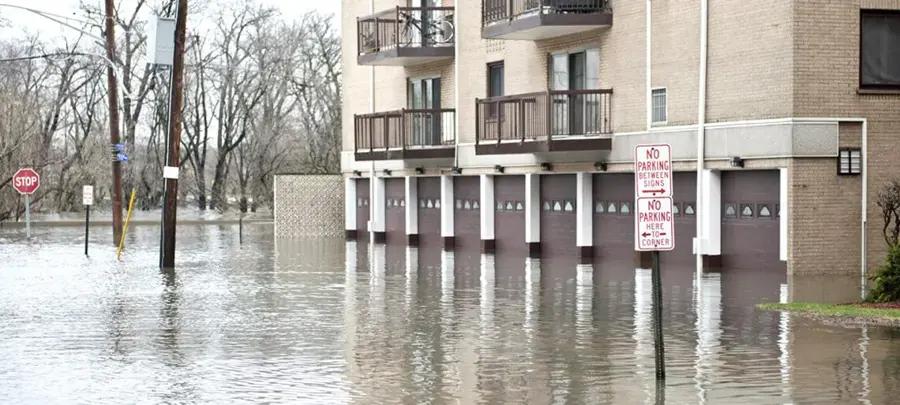
First steps for storm and flash flood cleanup in Thornton
- 01
Stay out of moving water
Floodwater can hide debris, live wiring and pits, so wait until it is calm and the power is off.
- 02
Shut off power safely
Switch off the breakers for flooded areas while standing on dry ground, or let an electrician do it.
- 03
Photograph the high-water line
Pictures of the water level and damaged goods help the claim.
- 04
Call for pumping and cleaning
Floodwater is contaminated and soaks in, so early extraction limits what must be removed.
How storm and flash flood cleanup is handled in Thornton
Roofs, streets, driveways and parking lots keep rain from soaking in, so Thornton runoff moves into storm sewers and creek basins. In the September 2013 flood, ThorntonWeather.com recorded 8.85 inches over the week of heavy rain.
What does storm and flash flood cleanup cost in Thornton, CO?
Storm and flash flood cleanup in Thornton typically costs $3,000 to $8,000 for a garage or one basement area and $8,000 to $20,000 once a finished lower level is flooded.
Garage or one area
- Water in one space
- Pumping and silt removal
- Hard surfaces cleaned
Finished basement
- Carpet and pad removed
- Flood cuts above the line
- Antimicrobial applied
Deep or long-standing water
- Water sat for days
- Wide removal
- Long drying cycle
Ranges are typical, not a quote: the water category, square footage, material class and how fast drying started move the number most. Run the water damage cost calculator for a closer range.
The storm and flash flood cleanup process, start to dry
The tech who does the walkthrough maps moisture before any equipment goes down, so the drying plan matches what is actually wet.
- 1
Pump and haul
Pumps and extractors clear floodwater and the slurry left behind.
- 2
Clear the silt
Mud and debris are shoveled and vacuumed before they dry.
- 3
Clean and treat
Hard surfaces are scrubbed and treated with an EPA-registered antimicrobial.
- 4
Dry the structure
Drying equipment runs until the readings reach the goal.
Why floodwater is Category 3
Water that has crossed streets, yards and storm drains picks up soil, oil and bacteria. It is treated as Category 3, so porous materials it touched are removed instead of dried, and the area is cleaned and treated.
- Silt and mud on floors
- Carpet, pad and lower drywall
- Stored belongings and cardboard
Thornton storm history
In May 2011, flooding closed parts of 128th Avenue, Riverdale Road and York Street. On May 12, 2023, police closed East 144th Avenue and sections of York Street and East 156th Avenue. Roads like these show where water collects.
From pumping to drying
Pumps clear the water first, then silt and debris come out before cleaning. Flood cuts are made above the highest wet reading, and dehumidifiers and air movers dry what remains. See basement flooding cleanup or window well flooding cleanup when water entered a lower level.
After the water recedes
Photograph the high-water line before cleanup starts, and keep damaged goods until an adjuster has seen them. Wet drywall and insulation are cut out quickly, because contaminated moisture sits in them.
Trade fact: Mud left to dry on a floor traps contamination in the pores of the material, which is why silt is removed while it is still wet.
Storm and flash flood cleanup across Thornton and nearby areas
Storm flooding cleanup covers all of Thornton, including Riverdale Park, Original Thornton, Todd Creek, Heritage Todd Creek, Hunters Glen and the areas near York Street and 128th Avenue.
The same service nearby: storm and flash flood cleanup in Commerce City, Northglenn, Federal Heights.
Water damage restoration in Thornton · every neighborhood covered
Related water damage services in Thornton
Storm and Flash Flood Cleanup questions in Thornton, CO
Still dealing with it?
Stay out of moving water, shut off power if it is safe and call. Thornton dispatch runs 24/7.
(888) 532-8620Start Thornton flood cleanupIs floodwater safe to touch?
No. It carries soil, oil and bacteria, so crews wear protective gear and treat it as Category 3 water.
Has Thornton flooded before?
Yes. Street flooding closed roads in May 2011 and on May 12, 2023, and ThorntonWeather.com recorded 8.85 inches during the September 2013 flood.
Does homeowners insurance cover flooding?
Standard policies often exclude flood, which is covered separately, such as through the National Flood Insurance Program. Check your policy and keep photos and readings.
What should be thrown out?
Porous items that sat in floodwater, such as pad, upholstered goods and cardboard, are generally discarded. Hard goods can often be cleaned.
How long does cleanup take?
Removal and cleaning usually take a day or two, followed by about three to five days of drying in many cases.
Storm water inside your Thornton home?
Pumping, silt removal and structural drying day and night, from the mud to the studs.
(888) 532-8620Call about the Thornton flood