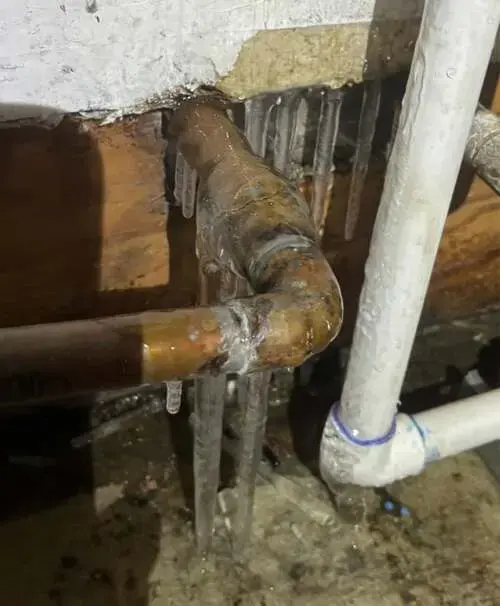
Federal Heights is a small, dense city where manufactured homes and apartments make up most of the housing. Front Range cold snaps can freeze pipes in unheated spaces, and in homes this size a split pipe soaks a large share of the living area.
Key takeaways
- The city counted 2,433 mobile home park spaces and 1,787 multi family apartment units in its 2021 housing count.
- Front Range cold snaps can freeze pipes in unheated spaces, and the Denver Post ran frozen pipe advice in January 2025.
- A pipe often splits when it freezes but only leaks once it thaws, so the damage shows up after the cold ends.
- In an apartment, a split pipe can reach the units below and beside it.
- Shut off the water at once, then dry the wall and floor cavities, not only the visible wet spot.
The housing mix behind the risk
Federal Heights has 5,574 housing units, of which 5,254 are occupied. About 50.9 percent of occupied homes are owner occupied and 49.1 percent are rented.
By the city's 2021 housing count, mobile home park spaces are the largest housing type at 2,433 units, about 43.6 percent. Multi family apartments follow with 1,787 units, about 32 percent, and single family homes number 1,113.
- Manufactured homes and apartments have less room between the living area and the outdoors than a large house.
- Average household size is 3.85 people, so a flood affects many residents at once.
- Many residents rent, so the person who finds the leak may not be the person who owns the pipe.
How cold snaps freeze pipes
Water expands as it freezes. A pipe in an unheated space can crack or split under that pressure, even though no water escapes until the ice melts.
Front Range cold snaps are known to freeze pipes in unheated spaces, which is why local newspapers run advice each winter. The Denver Post ran frozen pipe advice in January 2025.
Where pipes freeze first
The pipes at highest risk are the ones outside the heated part of the home: those in exterior walls, in utility closets that open to the outdoors and in spaces that are not heated.
A pipe that runs next to an outside wall may freeze when the rest of the home feels comfortable.
Why the damage appears at the thaw
Ice can plug a split until it melts. When the weather warms or the heat comes back on, water starts to flow through the crack and the leak begins.
That is why a home can sit through a cold night with no sign of trouble and then be wet by the afternoon.
What to do when a pipe thaws and leaks
The first goal is to stop the flow. Everything else follows from that.
- Close the main shut off valve for the home or the unit as soon as water appears.
- Open a faucet on the lowest level to drain the pipes and relieve pressure.
- Turn off power to wet areas if outlets or fixtures are touching water.
- Tell the manager or owner at once if the home is rented, so repairs and other units can be checked.
- Photograph the split, the wet areas and anything damaged before cleanup begins.
Apartments: when water reaches the neighbors
About 32 percent of the city's housing units are apartments. A split pipe in one unit often sends water through floors and walls to the units around it.
Neighbors should be told as soon as the leak is stopped, since the damage may already be moving through ceilings and wall cavities.
- Ceilings below a leak can sag and stain before any dripping is visible.
- Wall cavities between units can hold water that never shows on the surface.
- Shared floors and framing need readings in each affected unit to find the full extent.
Mobile homes: small spaces, fast spread
In a manufactured home, the floor, walls and ceiling are close together. A split pipe can wet carpet, insulation and the floor system quickly.
The city has a Manufactured Housing Installation Program with the State of Colorado, and Kimberly Hills is one of the mobile home parks listed on the city website.
What drying covers
Wet floor coverings are removed when they cannot be dried in place. Insulation that has absorbed water is taken out because it holds moisture against the framing.
Checking hidden areas
Moisture meters and thermal imaging show wet areas under floors and inside walls. Small openings are made where readings call for it, not by guesswork.
How frozen pipe cleanup works
The crew starts by removing standing water, then mapping moisture to find where the pipe spilled. For a split pipe, the main work is frozen pipe water damage cleanup, covering extraction, removal of wet materials and structural drying.
If the pipe has failed in more than one place, or has run for a long time, the loss is closer to a burst pipe job, and more of the structure may need to be opened.
- Extraction of standing water from floors and carpet.
- Removal of insulation, pad or drywall that cannot be dried in place.
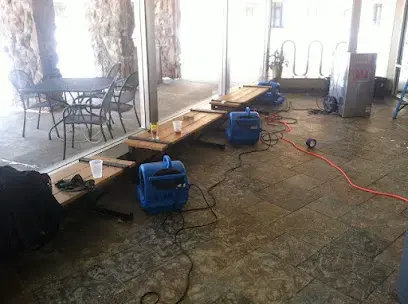
- Drying with dehumidifiers and air movers until readings match a dry reference.
- A final check of every wet area before the home is closed up.
Before the next cold snap
A few quick checks can keep a split pipe from turning into a flood. The Federal Heights page lists the services available to residents, and the Commerce City office explains its wider approach on its frozen pipe water damage page.
- Know where the main shut off valve is and that it turns.
- Open cabinet doors under sinks on exterior walls during a hard freeze so warm air reaches the pipes.
- Let a faucet drip during the coldest nights so water keeps moving.
- Keep the heat on in the home even when no one is there.
- Ask a plumber to insulate pipes in unheated spaces.
Questions
Why did my pipe not leak until the weather warmed up?
Ice often plugs the crack, so water only escapes after it melts. The split happened during the freeze but the leak began at the thaw.
Does renting change what I should do first?
No. Shut off the water, then tell the manager or owner promptly. In Federal Heights, about 49.1 percent of occupied homes are rented, so this is a common situation.
Can a frozen pipe in an apartment damage other units?
Yes. Water can pass through floors and wall cavities into the units below and beside it, so neighbors should be told right away.
Do wet floors in a mobile home always need to be replaced?
Not always. Floors that read dry after extraction and drying can stay, while soaked coverings and insulation are removed.
Can I run a fan and wait for it to dry?
A fan alone will not dry wet insulation or framing. Measured drying with dehumidifiers and moisture readings is the safer way to finish.